
Cilento Cooking Class: Learn the Art of Homemade Pasta
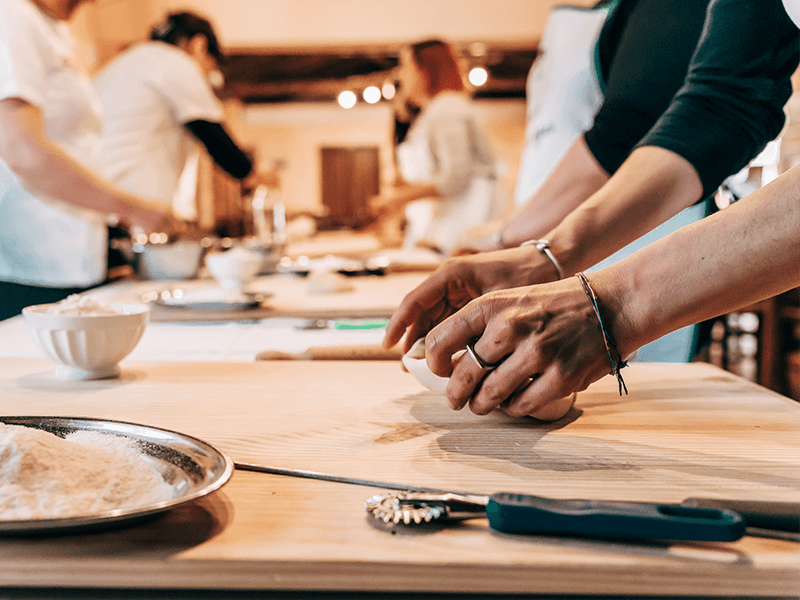
Are you ready to get hands-on and discover the secrets of traditional Cilento cooking? Agriturismo I Moresani invites you to take part in…
Agriturismo in Casal Velino, in the heart of Cilento
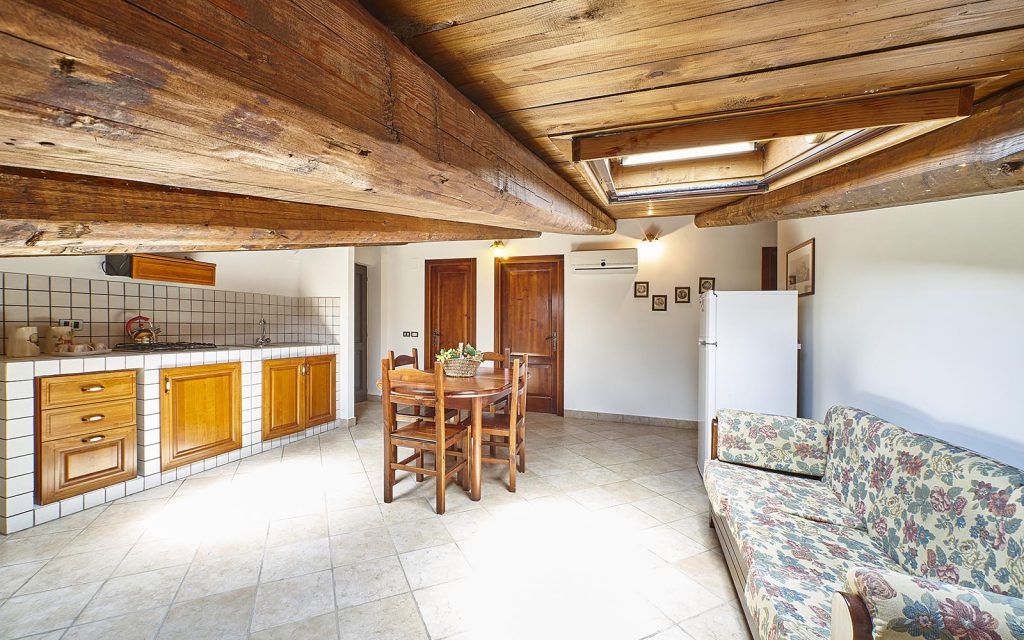
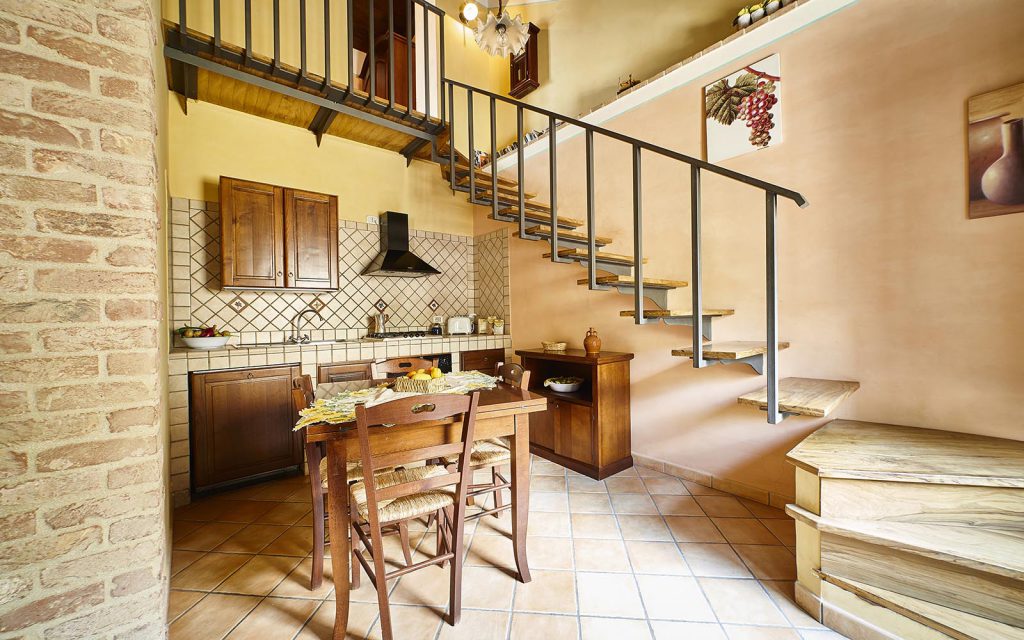
Hospitality
Typical Cilentano cuisine
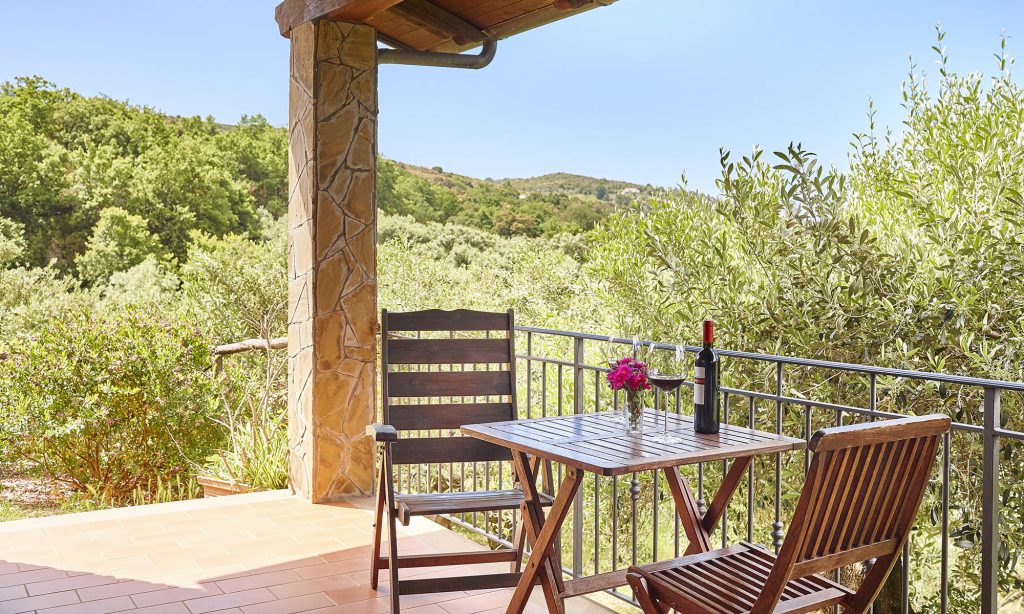
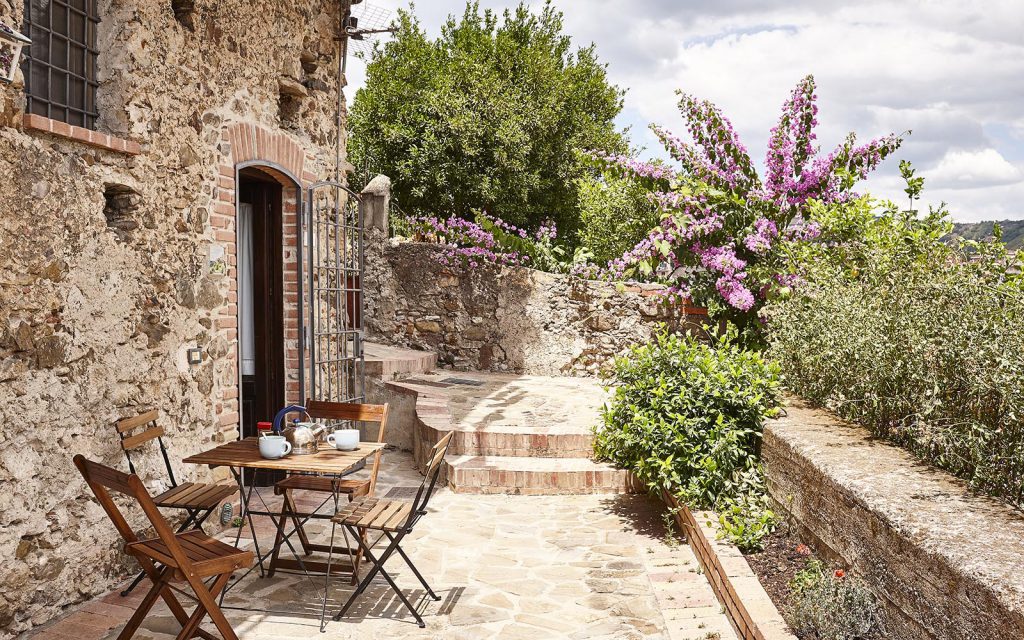
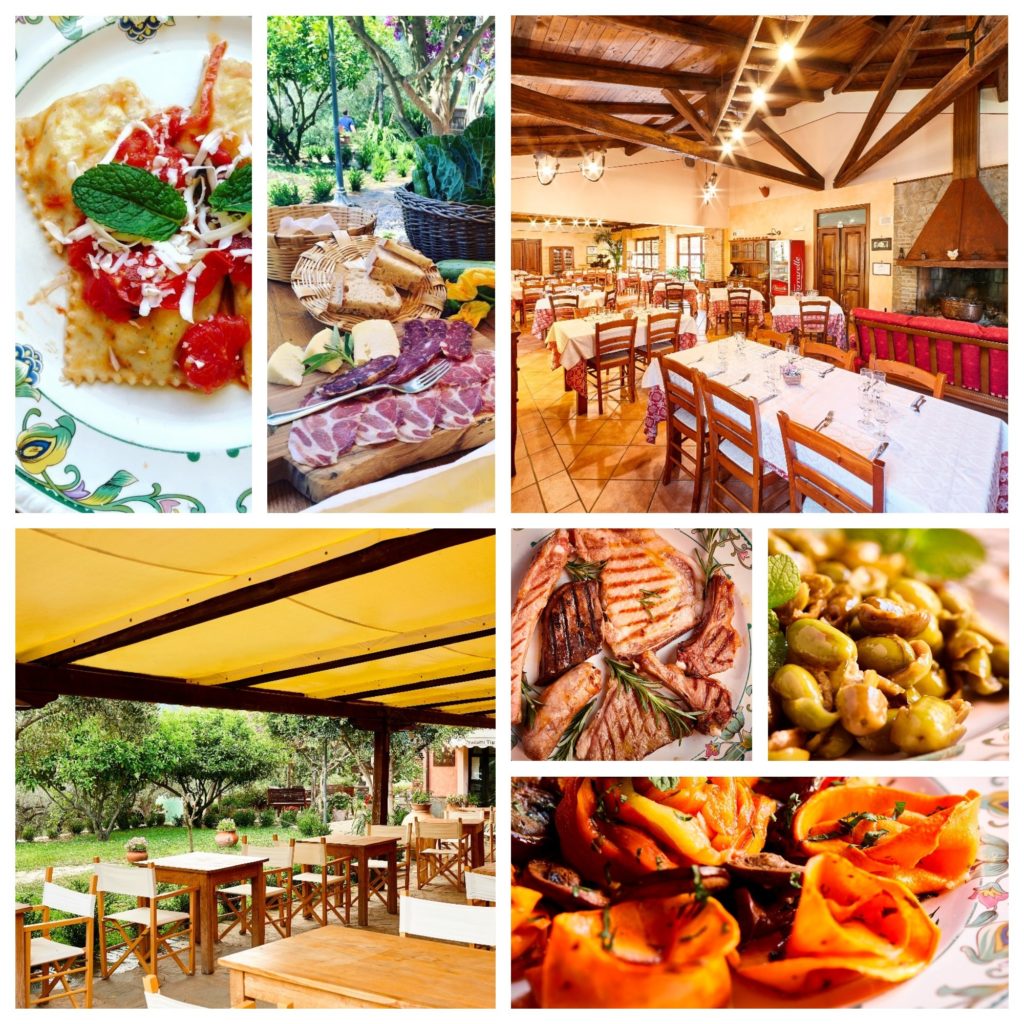
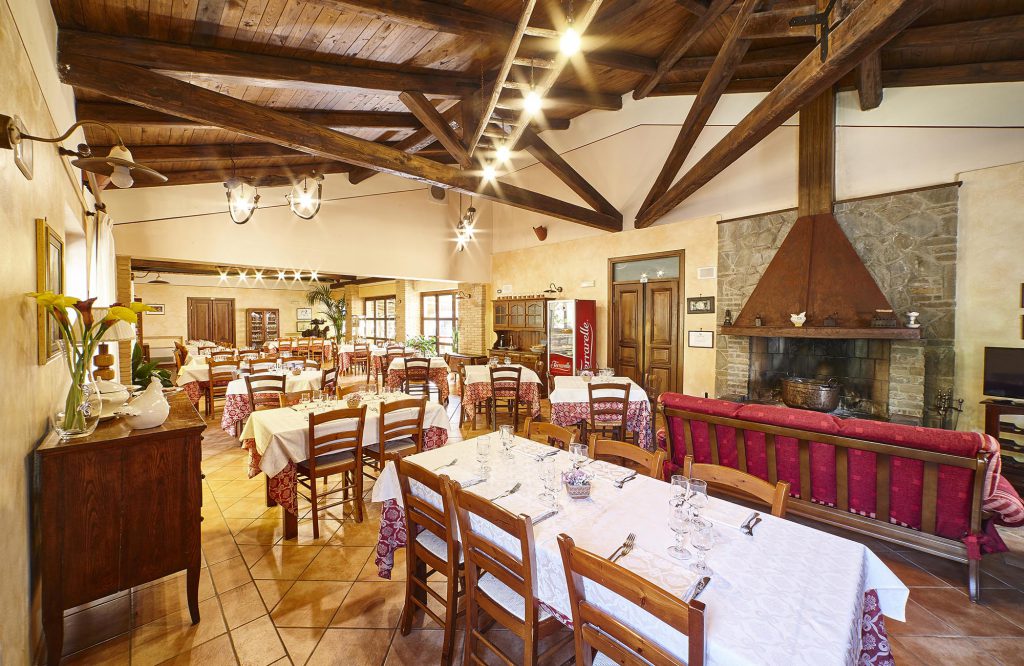
The colours and flavours of our region come together in the dishes served at our restaurant. The ingredients come from our organic farm and are lovingly prepared by housewives, not Michelin-starred chefs, to recreate traditional local dishes with a modern touch. Cheese, vegetables, meat, flour, pulses… even closer than km0! As well as our indoor dining room, we have an outdoor patio, ideal for a peaceful summer dinner!
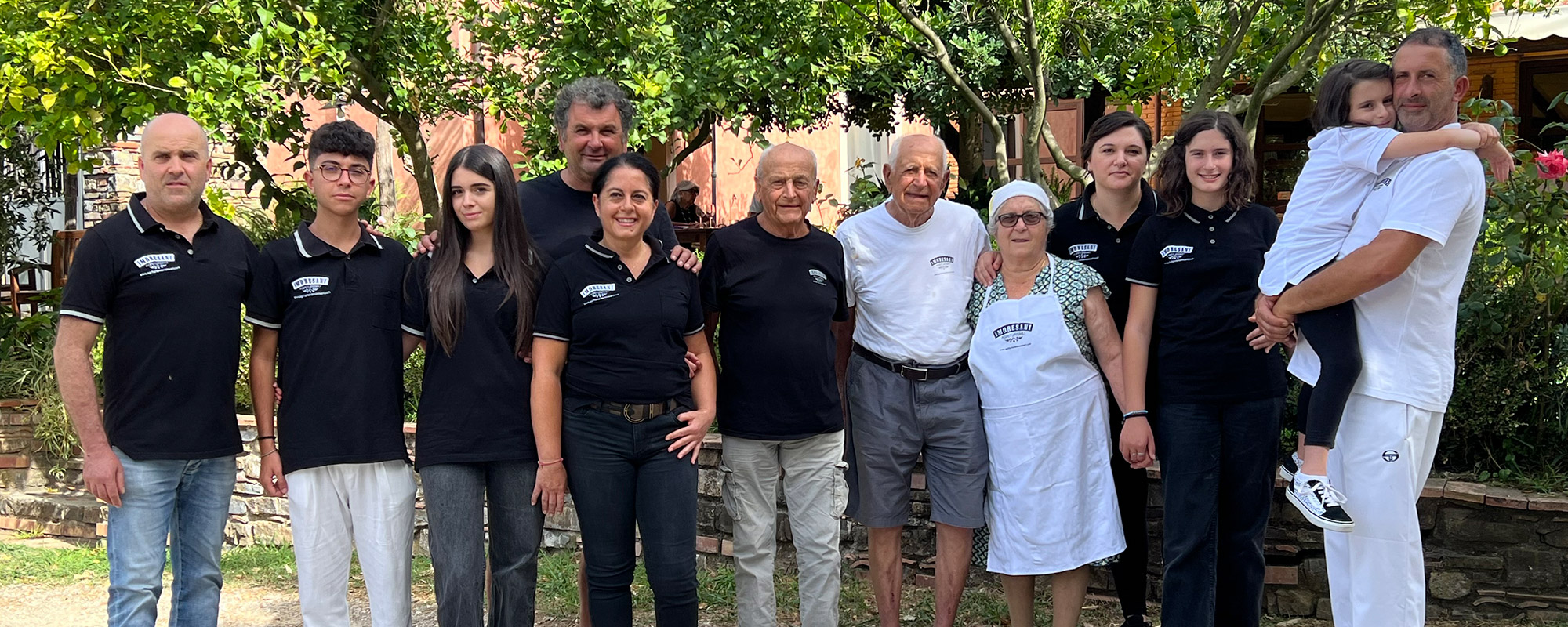
Our story
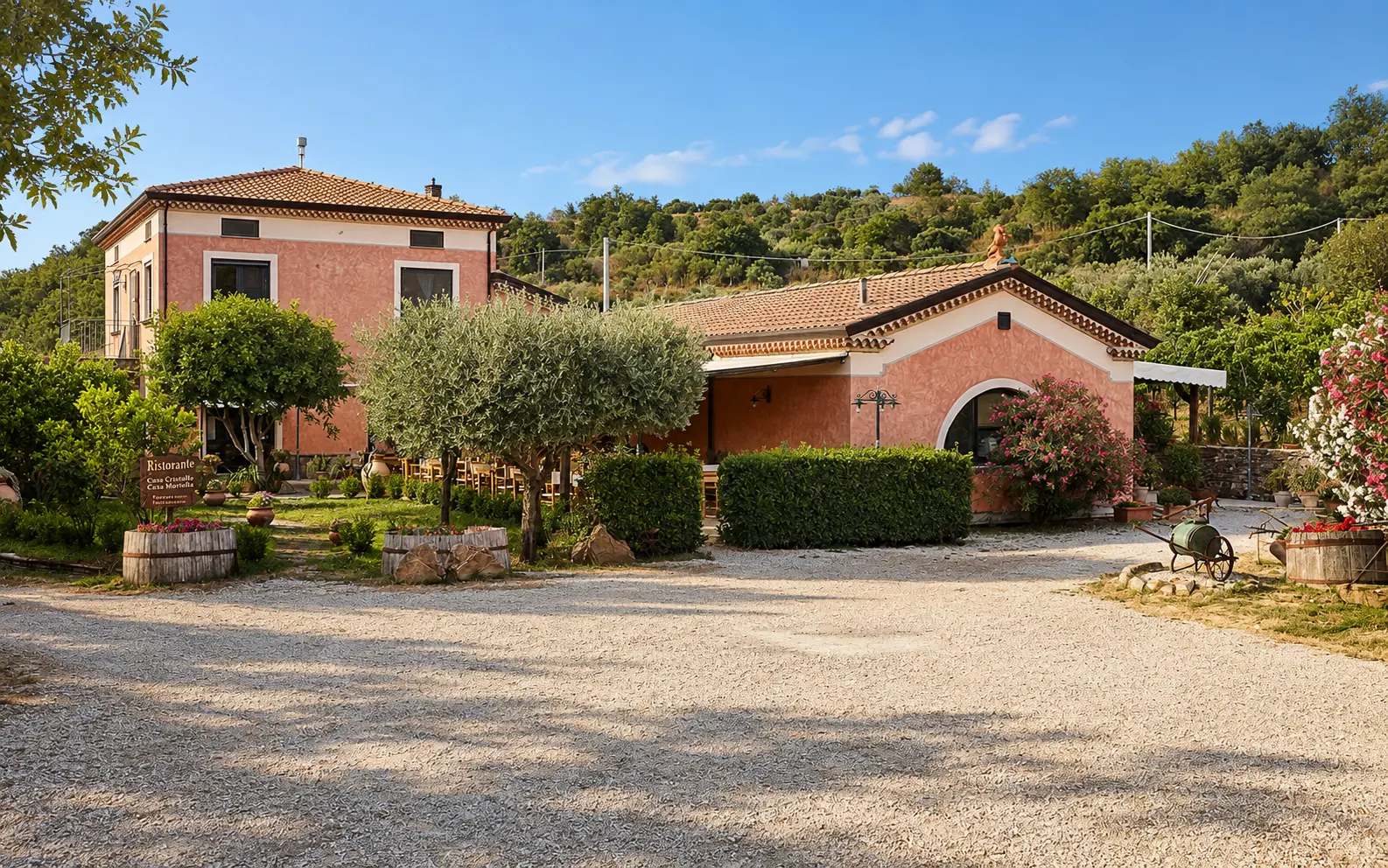
Agriturismo I Moresani is first and foremost a family-run organic working farm located in the Cilento, Vallo di Diano and Alburni National Park, which geographically is a continuation of the Sorrento, Amalfi and Salerno coasts.
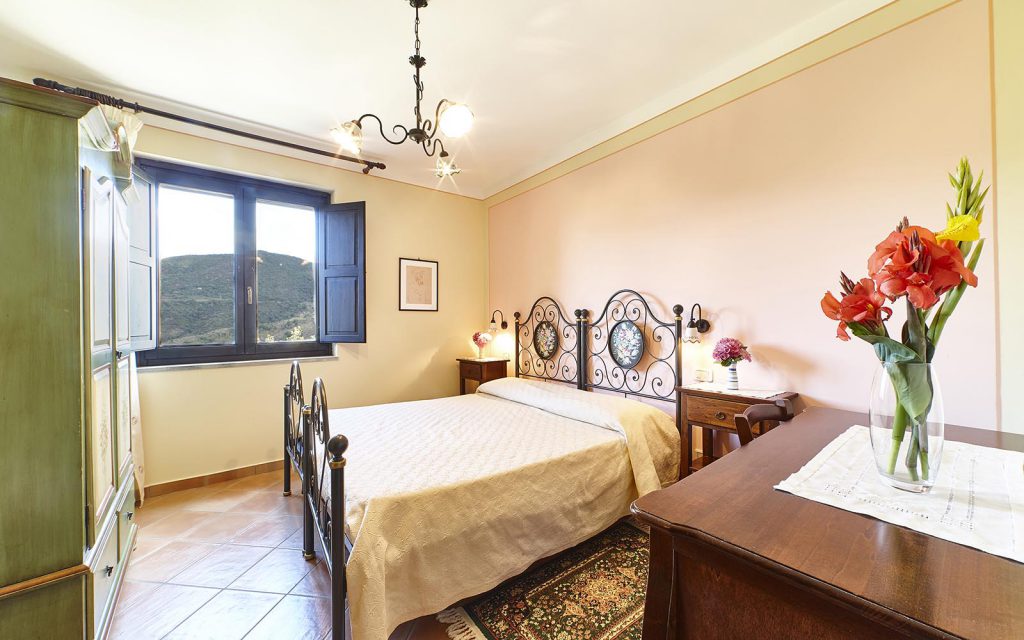
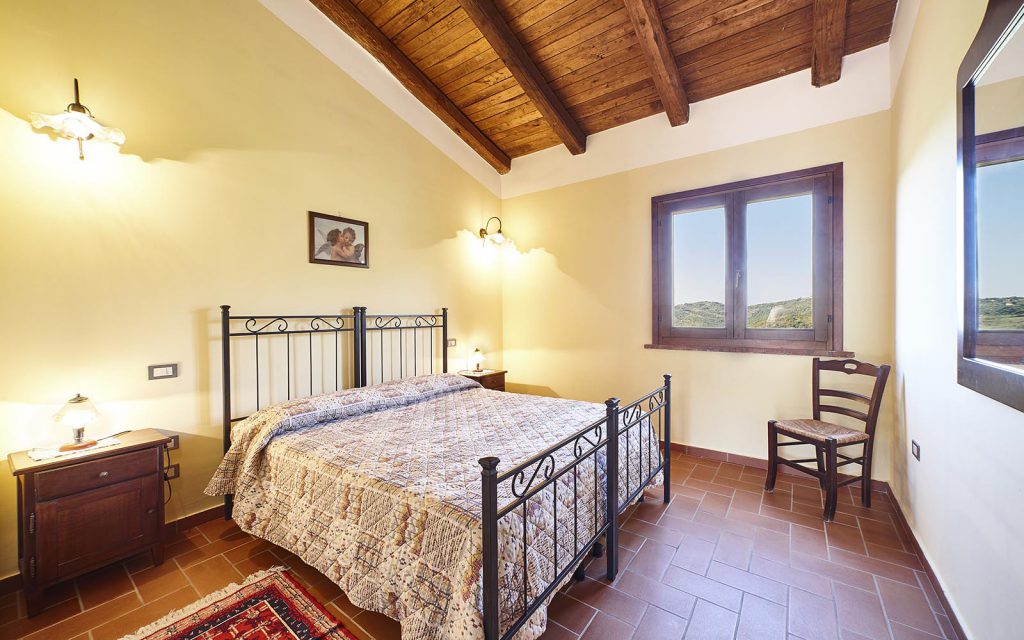
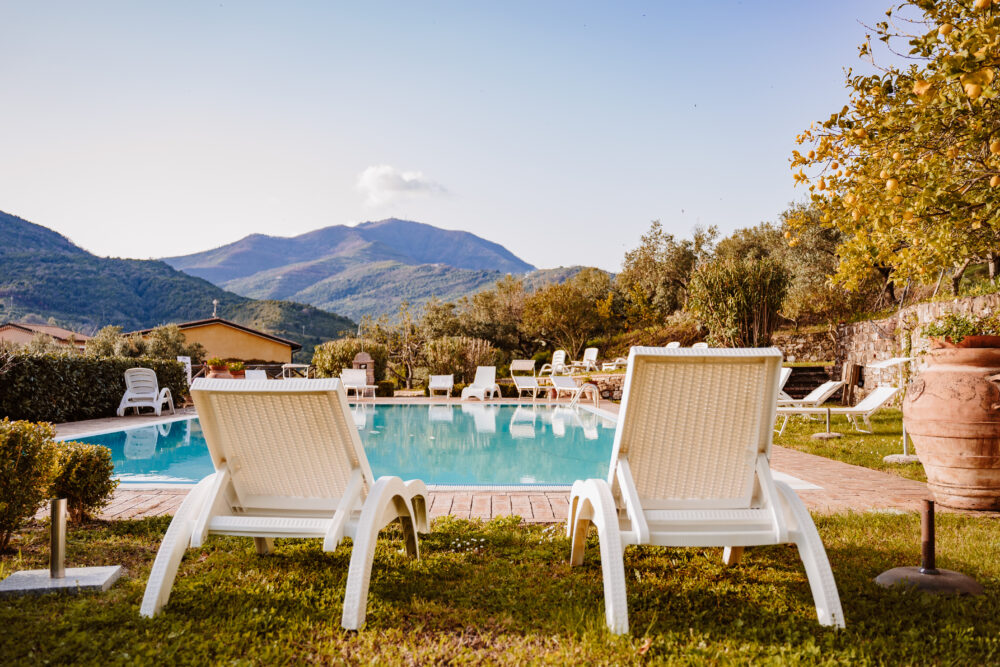
Our farm's philosophy stems from a desire to revive a quality of life and a spirit of togetherness that many people no longer enjoy. Here you are surrounded by greenery, close to the animals and immersed in the rhythms of the simple but hardworking life of the past. A warm, family atmosphere makes for a relaxing and unforgettable holiday in the heart of Cilento!
For those seeking an active break, we offer splendid walks, wonderful treks, mountain bike trails, Mediterranean cooking classes and art courses… for the very best active holiday in Cilento and Italy.
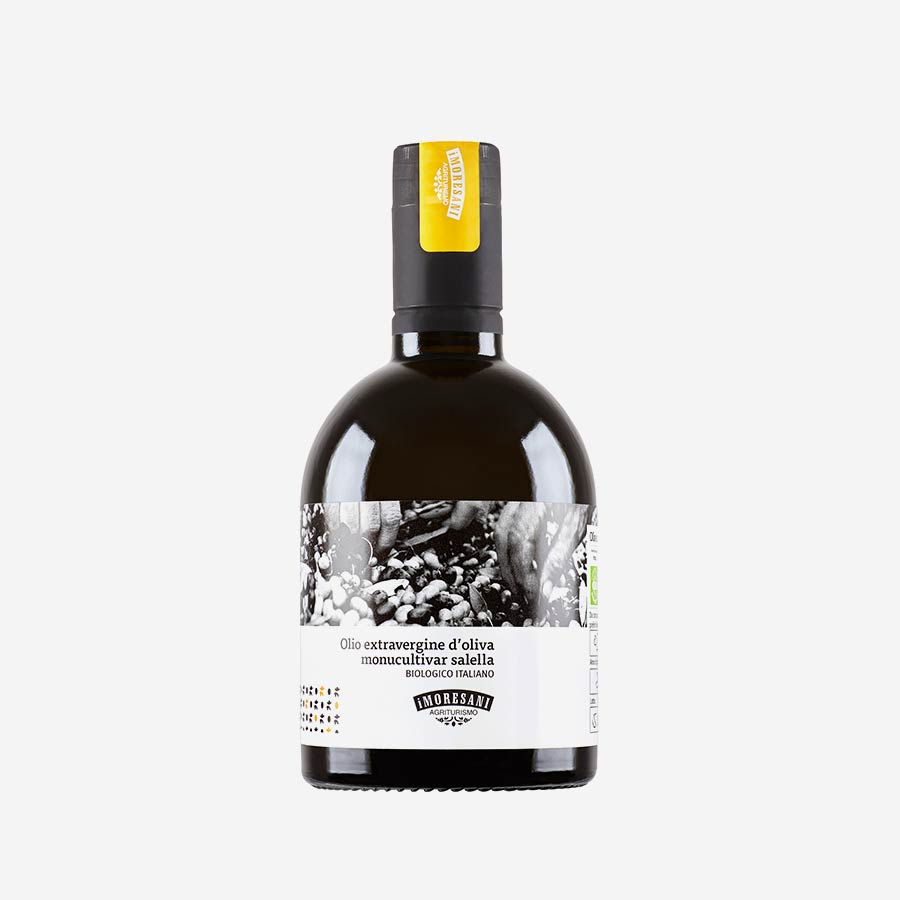
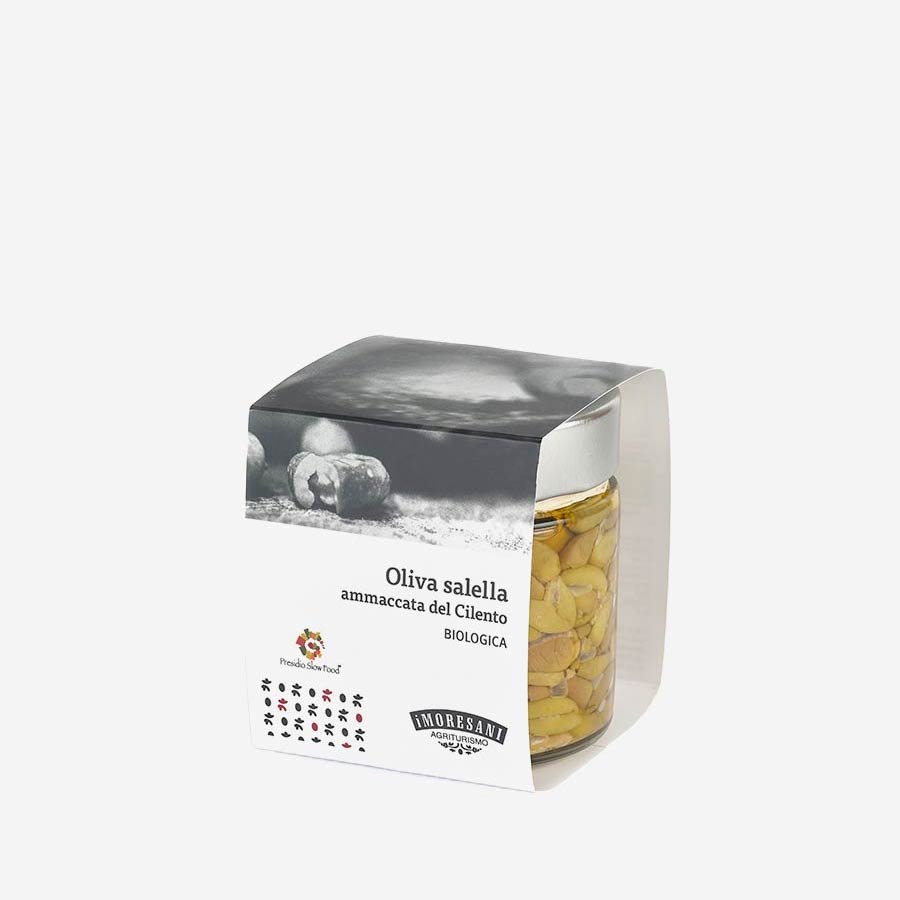
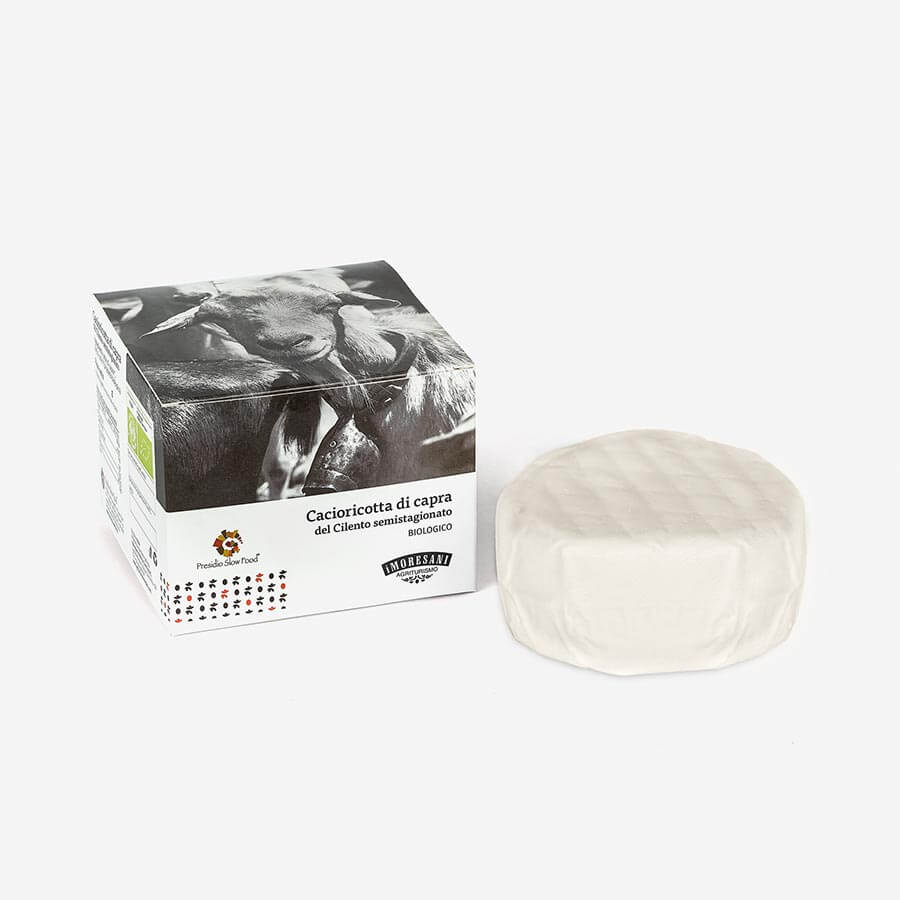
We also take pride in producing regional specialities: extra virgin olive oil, goats' cheese, foods preserved in oil, cured meats, jams, marmalades, and olive ammaccate and cacioricotta, both Slow Food Presidia products.
Active holidays in Cilento
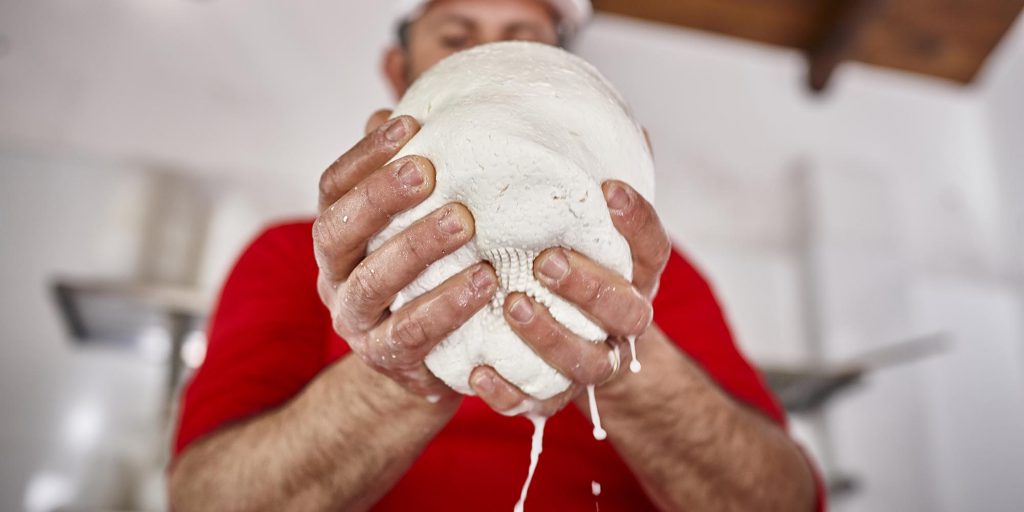
Discover the recipes of Cilento cuisine with our cooking courses. We will pick vegetables together in the garden or collect eggs from the henhouse before getting stuck into the cooking! Afterwards, we will enjoy what we have prepared over a sociable lunch.
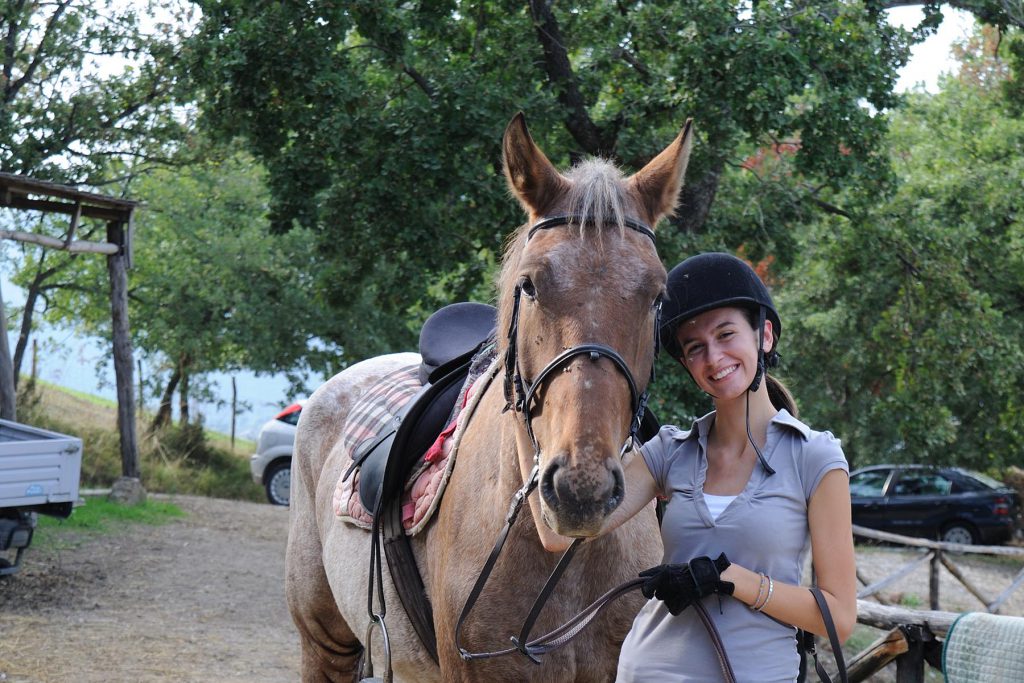
Just five minutes from Agriturismo I Moresani, in Pioppi, a partner riding stable offers rides to explore Cilento's nature and landscapes. The rides last one, two or five hours and cater for both beginners and experienced riders. On scenic hill trails and along the coast with its captivating views, you can explore the region at a different pace, close to the horses and the Mediterranean landscape. An outdoor experience to enrich your stay at I Moresani and discover Cilento from a new perspective. You must get in touch to request this activity separately; it is not included in your stay or booking.
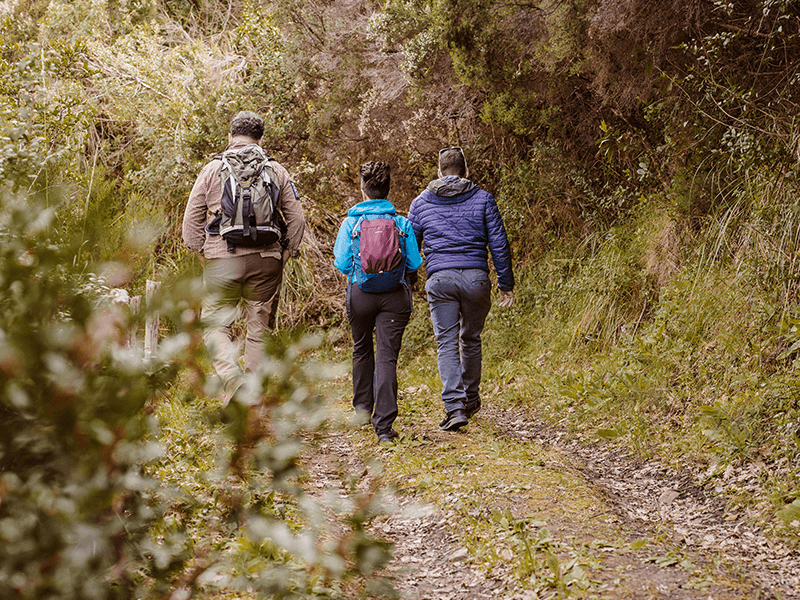
The Cilento, Vallo di Diano and Alburni National Park is ideal for walking enthusiasts. Its landscapes range from mountains through valleys and plains to the sea. From Monte Stella to Punta Licosa, passing through the area's distinctive villages, the routes offered by Agriturismo I Moresani are perfect for those who enjoy varied walks.
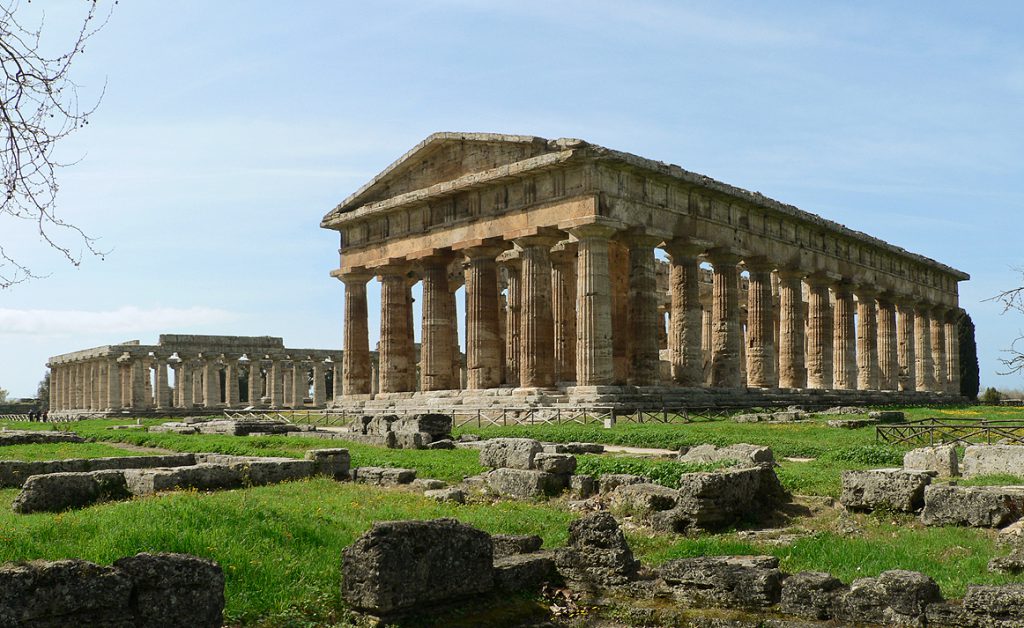
Visit to the archaeological site of Paestum. Founded by the Greeks around 600 BCE, the city was initially called Poseidonia, after Poseidon, or Neptune, the god of the sea to whom it was dedicated. Between 400 and 273 BCE it was occupied by the Lucanians, an Italic people. In 273 it became a Roman colony named Paestum. There is no doubt, however, that the foundation of the city was preceded by the establishment of a trading post on the left bank near the mouth of the River Silaros. The malarial conditions of the land later prompted the first settlers to move the settlement eastwards, onto a limestone ridge slightly above the plain and coastline, along a smaller river, the Salso or Capofiume. The city's sea and river port developed from the original settlement on the Silaros. Nearby stood the Temple of Hera Argiva, which soon became one of the largest and most revered sanctuaries in ancient Italy: about 50 stadia separated the city from the Heraion and its trading centre on the river. The end of the Roman Empire roughly coincided with the end of the city. Around 500 CE, following a malaria epidemic aggravated by the unhealthy conditions of the area, the inhabitants gradually abandoned the city. The rediscovery of Paestum dates back to 1762, when the modern road that still crosses the site was built. The origins of Paestum and its main historical events: The most important Greek colonies in the Mediterranean were those founded in Asia Minor and Magna Graecia, a term referring to the cities founded by the Greeks in southern Italy and Sicily, one of which was Paestum. Paestum's mother city was Sybaris, founded in 720 BCE by Achaeans and Troezenians, who were therefore known as Sybarites. They were famous for their wealth, luxury and arrogance. The historian Diodorus Siculus, writing in the 1st century BCE, stated that ‘the Sybarites were slaves to their bellies and lovers of luxury’. Stradone, a Greek geographer who lived between 60 and 20 BCE, recounts that the Sybarites had established a fortified settlement near the mouth of the River Sele, extending their influence over the neighbouring territories. This was at the turn of the 7th and 6th centuries BCE. The city was founded because the Sybarites needed to open a trade route between the Ionian and Tyrrhenian seas across the Apennine ridge, avoiding the journey around the Calabrian coast and through the Strait of Messina. Detail of a metope depicting the killing of Alcyoneus by Heracles. (Museo narrante di Hera Argiva) The colony, strategically situated at the crossroads of trade routes between the Ionian basin and the Italic regions, was named Poseidonia in honour of Poseidon, god of the sea. It was in 510 BCE, following the destruction of Sybaris by the people of Croton, when many Sybarites fled to Poseidonia with their wealth, experience and enterprise, that the city achieved great economic and political power. The three temples known as the Basilica, the Temple of Poseidon and the Temple of Ceres date from this period, as does the only Greek fresco discovered so far, in the Tomb of the Diver. In the 5th century BCE the Lucanians, an Italic people, began to infiltrate the colony, leaving numerous traces of their influence in tombs decorated with frescoes in the style of the Greek masters. Towards the end of the 4th century, allied with the Bruttians, they fought a lengthy struggle against the Greeks for control of the new territories towards the sea, which ended with the reaffirmation of their supremacy over the city. In 273 BCE the Romans occupied Poseidonia, which became the loyal Roman city of Paestum, standing by Rome even during the most dramatic moments of its history. During the Roman period, in the 3rd century, economic and cultural activities flourished once again: new public buildings, such as the amphitheatre, forum and gymnasium, helped give the city the appearance revealed by the excavations. Factors that led to Paestum's decline included the construction of new trade routes to the East, which eventually cut the city off from the main trading routes, and the malaria epidemic of the 9th century. Together with raids by Saracen pirates, this forced the inhabitants of Paestum to seek refuge in the mountains and abandon ancient Poseidonia. Information from: Paestumsites
The farm is situated between two hills at the foot of Monte Stella, the mountain massif that rises above the sea and overlooks the entire Cilento coast from Agropoli and Santa Maria di Castellabate to Casal Velino and the plain of Velia.
Cilento food, handmade regional specialities
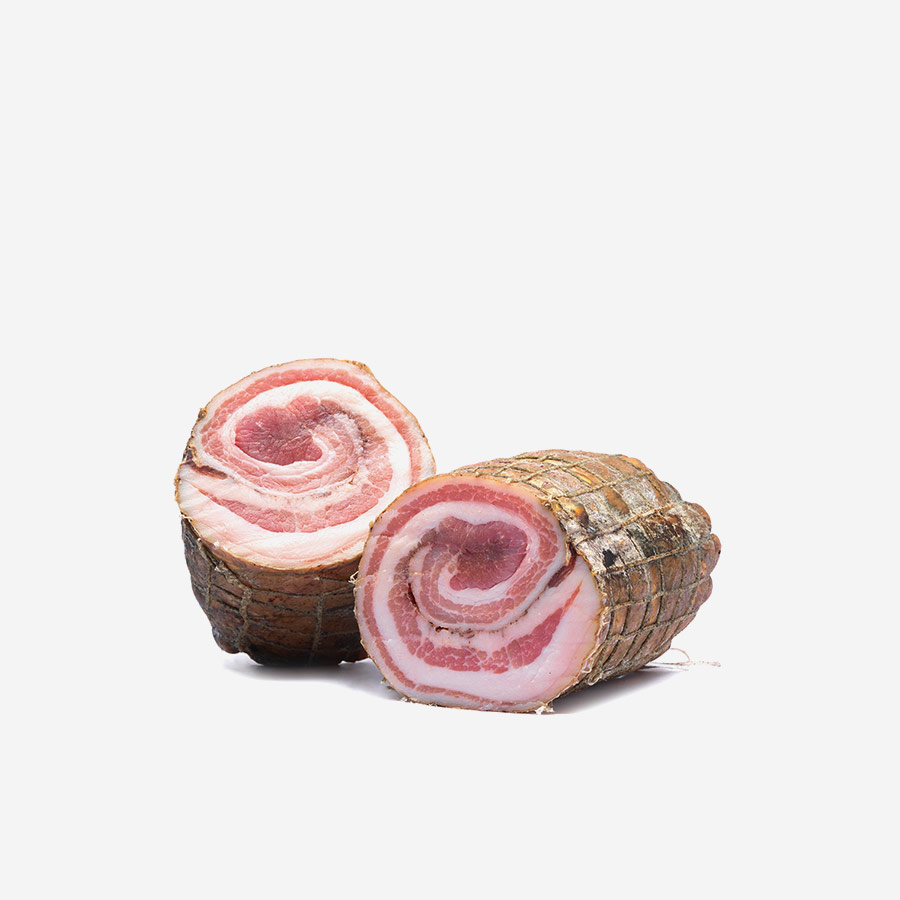
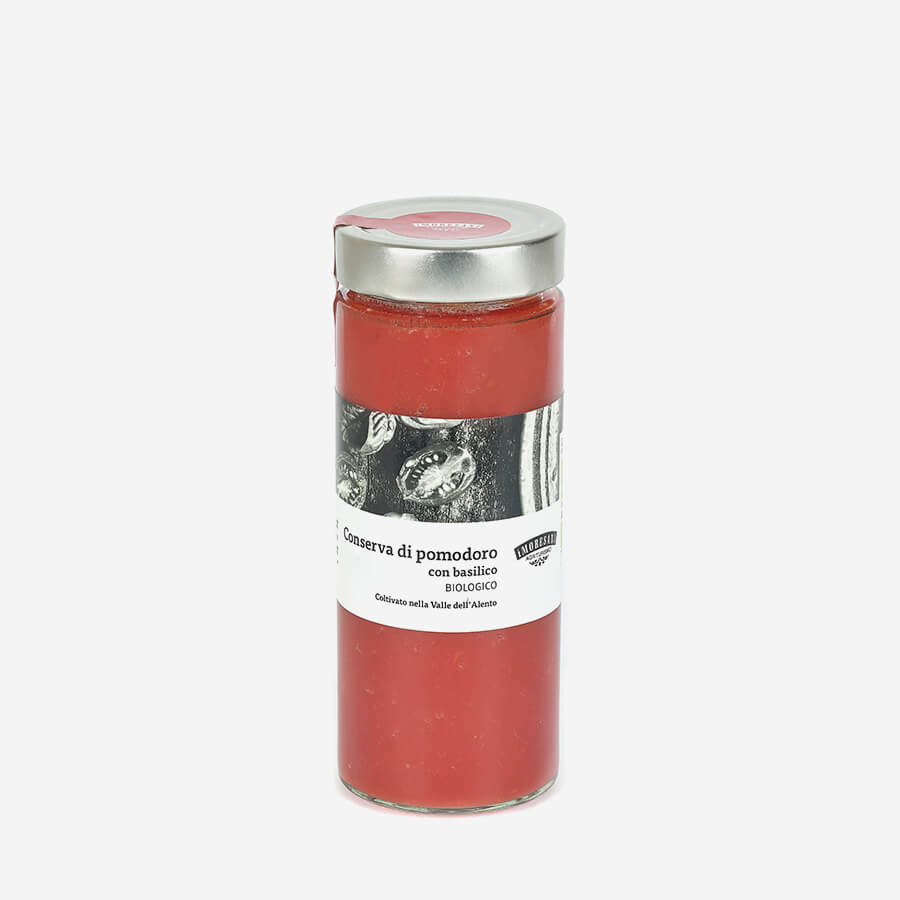
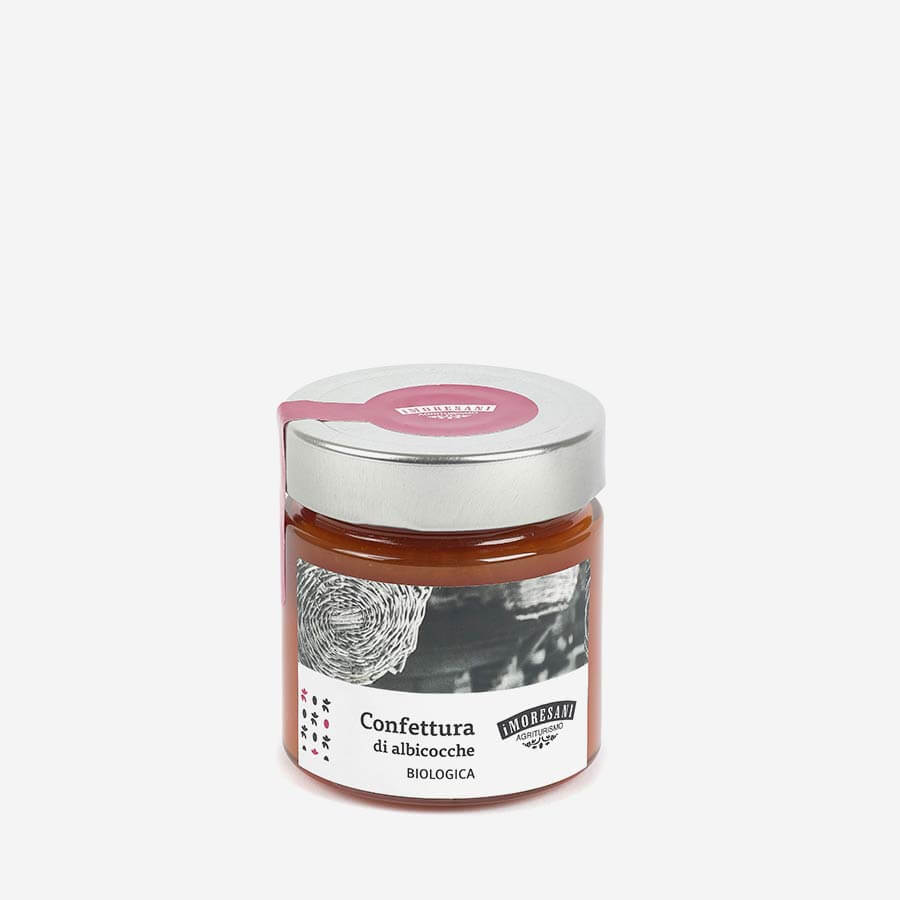
Traditional Cilento products made on the farm: cured meats, cheeses, oil, preserves, jams, heritage grain flours, biscuits, pulses
From Cilento
Are you ready to get hands-on and discover the secrets of traditional Cilento cooking? Agriturismo I Moresani invites you to take part in…
If you are looking for a holiday offer in Cilento in July, Agriturismo I Moresani has put together a special promotion so you can experience…
July Holidays in Cilento: Relaxation and Wholesome Food | I Moresani
Agriturismo I Moresani
Località Moresani snc, 84040 Casal Velino (SA)
The map is provided by Google. By loading it you consent to data being sent to Google (Google Ireland Limited); you can withdraw this in Privacy settings. Privacy policy